Operational example: This is an illustrative scenario based on common MRO tool-control patterns, not a named customer engagement or a measured case study.
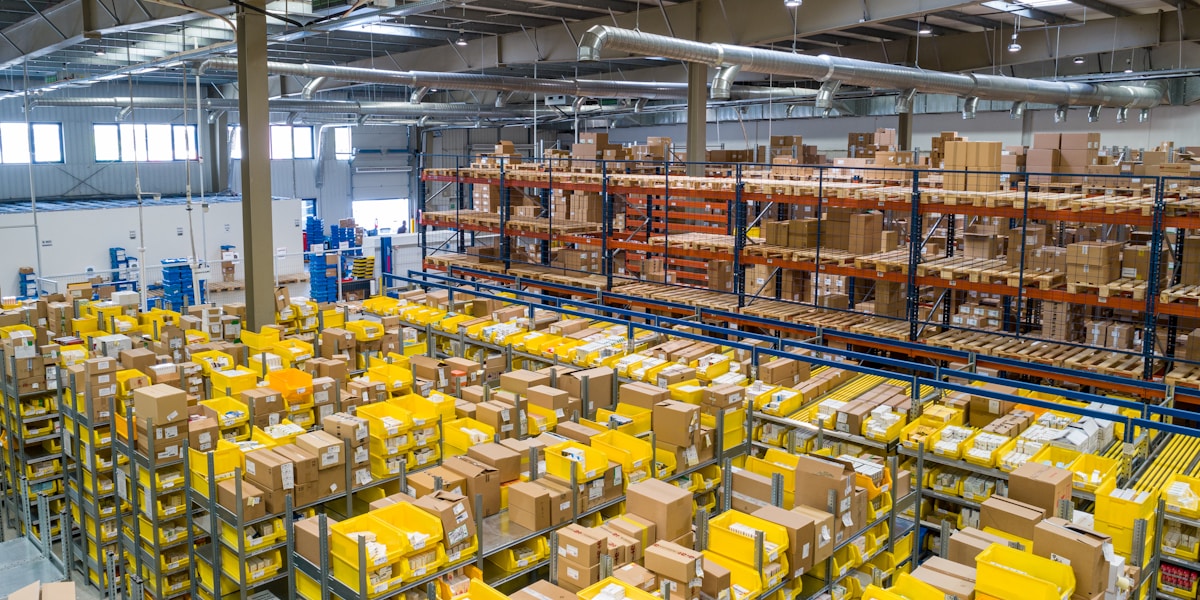
A large maintenance and fabrication facility struggled with a familiar but costly issue: tools were constantly going missing. Some were left on job sites, some were misplaced between shifts, and some simply disappeared. The shop used a traditional sign-out sheet, but it was rarely accurate and never up to date.
The result: work delays, unplanned tool purchases, calibration problems, and frustrated supervisors.
In this scenario, the goal was to modernize tool control by connecting AutoCrib-managed tool cribs and vending units to the ERP through Vysix — without disrupting daily operations.
The Challenge
Facilities in this situation typically face several ongoing problems that directly affect productivity:
- Tools changed hands multiple times per shift with no traceability
- The sign-out sheet was almost always incomplete or inaccurate
- Expensive calibrated tools were sometimes missing for days
- Supervisors had no visibility into who used what
- Mechanics frequently waited for shared items that weren't returned properly
- Replacement costs kept rising, especially for specialty or precision tools
The Approach
AutoCrib already handles issuing and returning tools through its vending and tool-crib hardware. Vysix's role in a scenario like this is to connect that AutoCrib data to the ERP and to Vysix BI so the information doesn't stay siloed.
1. Tool issue and return records from AutoCrib
AutoCrib logs every checkout and return through its existing badge-scan workflow. Once connected, that activity flows into a shared data platform instead of staying isolated in the vending system.
2. Connected tool cribs and vending machines
With the crib and vending units feeding into the same platform, supervisors can review what was issued, who checked it out, when it was removed, and whether it's overdue.
3. Calibration record-keeping
Calibration due dates tracked in AutoCrib can be surfaced alongside issue records, giving supervisors advance notice before calibration periods lapse, rather than relying on a separate manual log.
4. Reporting through Vysix BI
Consumption and return patterns are reviewed through Vysix BI. Any forecasting or "likely to be kept longer than expected" analysis is a planning aid based on historical patterns, not a predictive guarantee.
5. Secure storage for high-value tools
High-value and specialty items are placed in AutoCrib's controlled-access lockers and vending storage, limiting access to authorized personnel.
What "Better" Looks Like
Facilities that put this kind of tool control in place typically see improvement in:
- Fewer tools reported lost or unaccounted for
- Fewer delays caused by misplaced equipment
- Better documentation to support calibration compliance
- Less time spent searching for tools
- Better coordination between shifts
The specific magnitude of improvement depends on the starting baseline and program discipline, and shouldn't be assumed from this example alone.
Key Takeaways
- AutoCrib's issue/return tracking, once connected, reduces loss and improves accountability
- Calibration record-keeping helps prevent compliance gaps
- Usage reporting through Vysix BI supports better planning
- Connecting vending, crib, and ERP data creates a shared source of truth
- Only the AutoCrib/ERP connection is verified today; other system pairings require integration discovery